


President Donald Trump’s 2026 State of the Union address — delivered on 24 February 2026 — drew sharply divided reactions from both sides of the political aisle and has been widely described as long on rhetoric but short on substantive solutions to pressing domestic issues. Critics and supporters alike walked away feeling that the speech under-delivered on key policy clarity and economic messaging even as it showcased Trump’s signature showmanship and partisan framing.
The address lasted roughly 1 hour and 48 minutes, making it the longest State of the Union address in U.S. history, and set an early tone for the 2026 midterm elections. Trump began by praising what he described as America’s economic and national security successes, invoking a “golden age of America” and highlighting moments of patriotism — including honoring military personnel and introducing guests such as medal-winning athletes. However, according to The Independent, his broad boasts were often overshadowed by a lack of detail on how everyday Americans’ financial burdens would be eased, leaving many Democrats and some Republicans unconvinced by his narrative.
Domestically, Trump framed his administration’s policies as responsible for a booming economy, citing falling inflation and rising incomes, while critics have argued these claims were exaggerated and lacked grounding in current economic realities. Republicans applauded his focus on national strength and security, but some within his own party questioned whether foreign policy and grandiose rhetoric took precedence over the “America First” economic issues that helped fuel his 2024 election victory.
The speech’s domestic component touched on controversial proposals such as expanding voter ID requirements and tightening immigration enforcement, which drew objections from Democrats who accused the president of using divisive language. The Democratic response, led by figures like Virginia Governor Abigail Spanberger and Senator Alex Padilla, emphasized concerns about affordability and the cost of living, arguing that Trump had glossed over substantive policy measures to help everyday families.
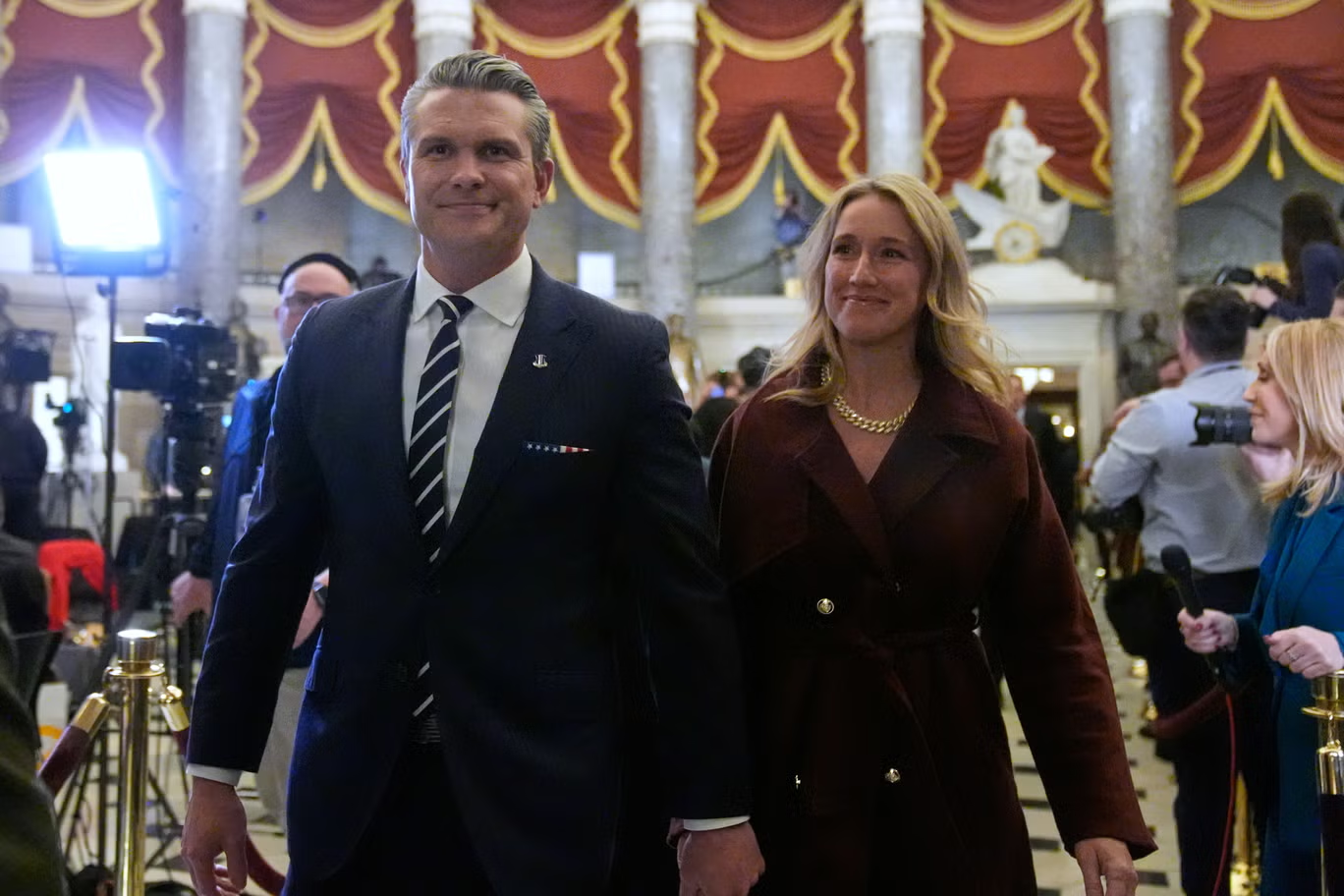
Partisan tensions were evident in the Capitol chamber itself, with several Democrats either boycotting the event, walking out early, or staging protests during the address — actions reflecting broader dissatisfaction with Trump’s rhetoric and priorities. These on-site demonstrations underscored the deep political divides in Washington and among the American public as the nation approaches a critical election year.
Overall, while Trump’s address succeeded in rallying his base with familiar themes of national pride and conservative policy goals, many observers from both parties felt that it failed to provide a compelling roadmap for addressing immediate economic challenges facing Americans — leaving both Democrats and Republicans feeling short-changed.