


A strike by workers at Kenya’s busiest airport in Nairobi has been called off after two days of widespread disruption to flights and passenger services.
The Kenya Aviation Workers Union (KAWU) announced the end of industrial action on Tuesday following negotiations with the transport ministry, bringing relief to travellers and airlines frustrated by delays and uncertainty.
The strike, which began on Monday, had stopped normal operations at Jomo Kenyatta International Airport (JKIA), one of Africa’s key aviation hubs. Passengers faced significant delays, with some flights departing up to six hours behind schedule as air traffic control services slowed and airlines adjusted their timetables to cope with reduced staffing.
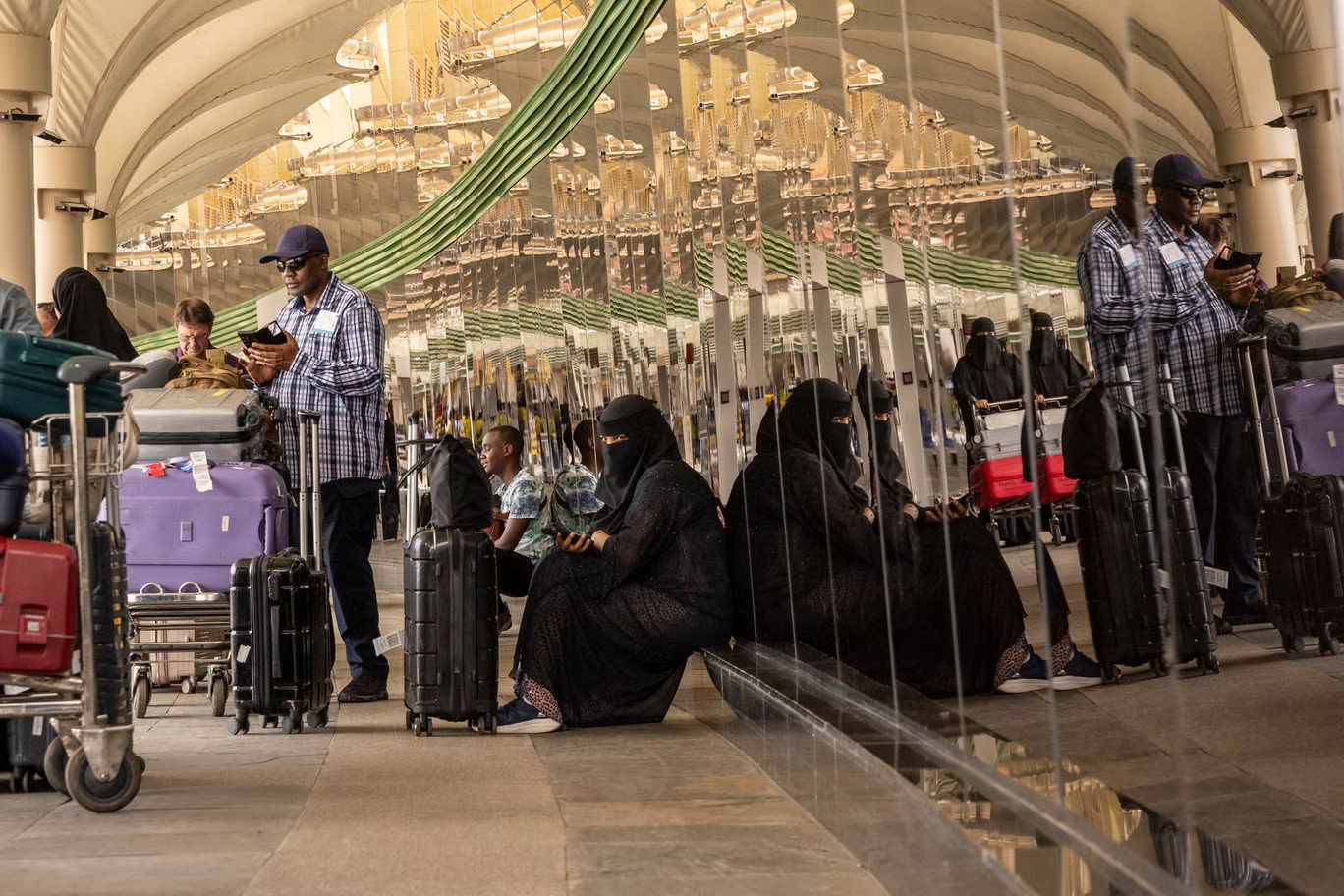
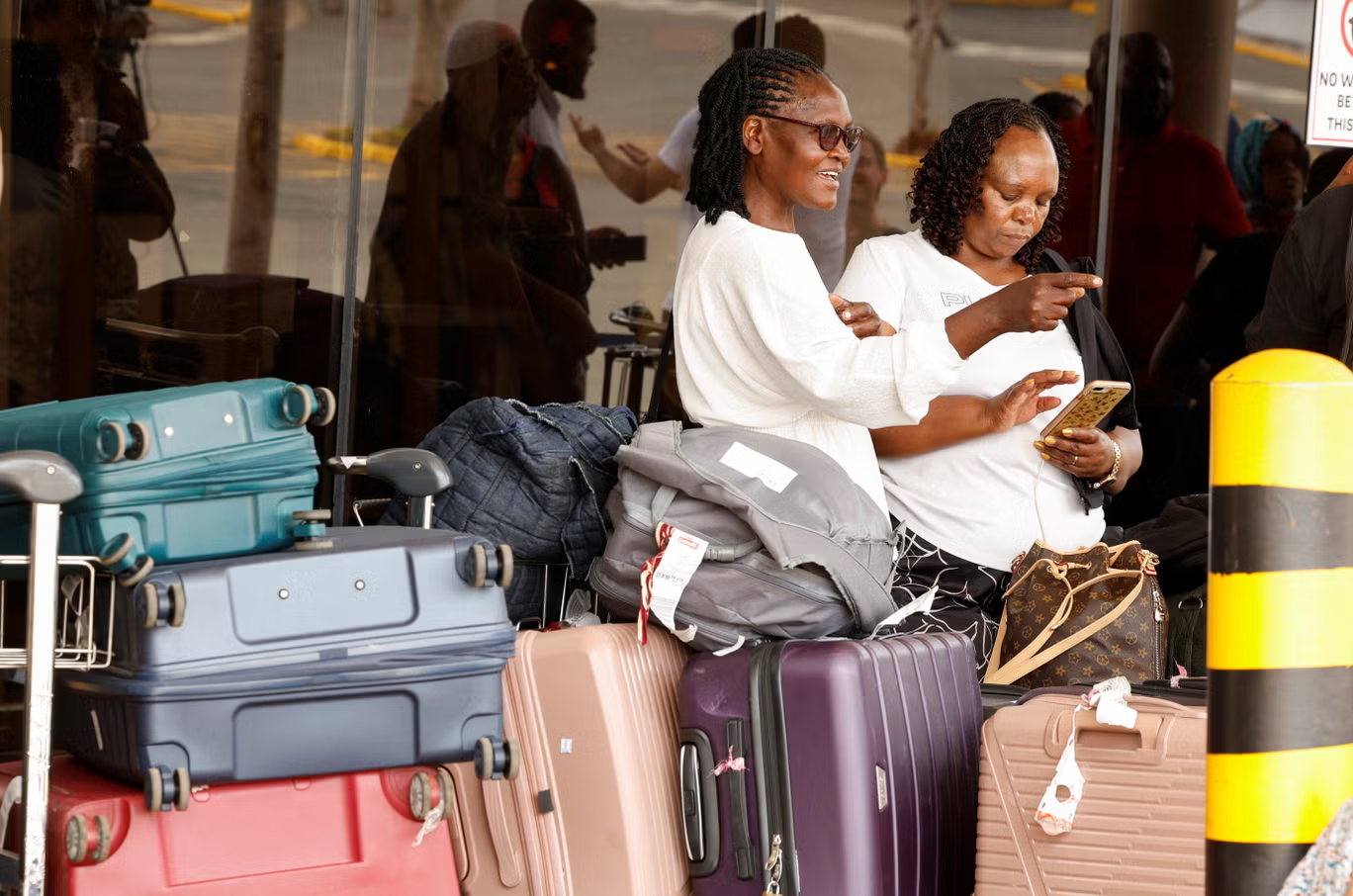
Several carriers, including the national flag carrier Kenya Airways and regional airlines like Uganda Airlines and Jambojet, were forced to revise schedules and advise passengers to rebook or delay travel plans. Travellers were left waiting in terminals for hours, with some stranded with their families unsure when they would be able to fly, highlighting the human impact of the dispute.
The union had pressed for improved working conditions, wages and benefits, and protested against what it described as the slow progress on negotiating a collective bargaining agreement with the Kenya Civil Aviation Authority. The industrial action proceeded despite a court order that had sought to halt the strike.
Transport Minister Davies Chirchir and government officials mediated talks that culminated in the workers signing a return-to-work agreement on Tuesday. The Kenya Civil Aviation Authority confirmed that normal operations would resume immediately, with Kenya Airways stating it would work to restore flight schedules within the next 24 hours.
With the strike’s end, JKIA is expected to gradually return to full service, easing travel disruptions for both domestic and international passengers and restoring stability to Kenya’s aviation sector.

